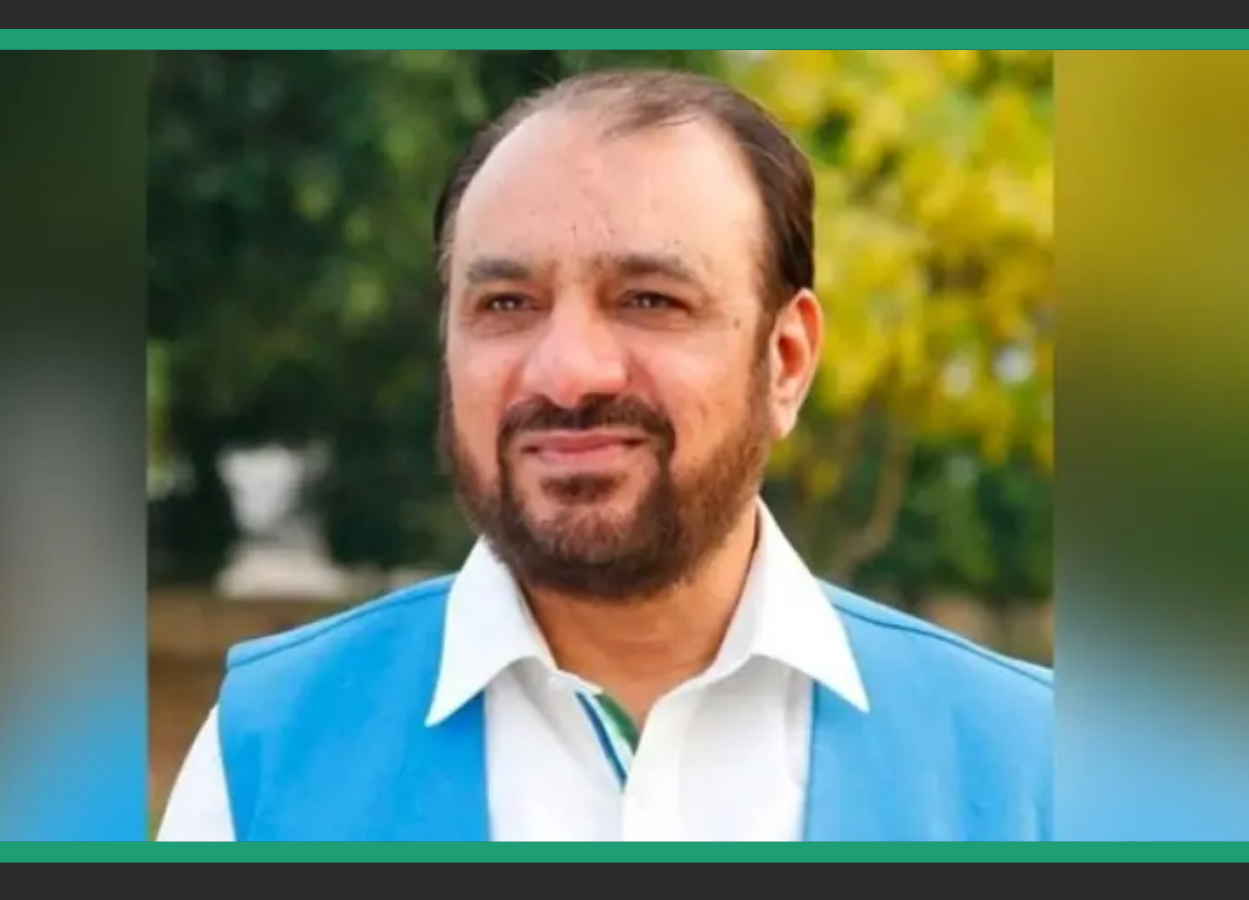
Ameerul Azeem’s death leaves Jamaat-e-Islami with a loss to mourn — and a question it would probably prefer not to answer.
How did a senior activist of a party widely associated with General Zia-ul-Haq’s Islamization become a political prisoner under Zia himself? The answer is not an obscure biographical curiosity. It is a devastating commentary on the difference between Islam as an ethical commitment and Islam as the decorative language of power.
Azeem, who rose through Islami Jamiat-e-Talaba and later served as Secretary General of Jamaat-e-Islami, became one of the party’s most consequential organizational figures. He was imprisoned during the campaign for the restoration of student unions. He remained incarcerated until 1988, yet continued organizing, leading and educating from inside prison. The regime could confine his body; it could not persuade him that a uniform became legitimate merely because its wearer had learned to pronounce the word “Islam” with sufficient theatrical gravity.
This is precisely what made Azeem’s position important. He understood that a military dictatorship does not cease to be a dictatorship when it acquires a prayer bead, quotes scripture or establishes a ministry for moral instruction. Islam was not, for him, an advertising department for authoritarianism. It imposed substantive obligations: justice, consultation, accountability and resistance to arbitrary rule.
Zia’s government, meanwhile, demonstrated the timeless ingenuity of the authoritarian state. It praised students as the future while ensuring that they possessed no organized future of their own. Student unions were banned in 1984. Campuses were politically sterilized, collective memory was interrupted, and generations were trained to experience politics either as patronage or as peril.
Today, Pakistan’s commentators routinely lament that the youth are disorganized, politically incoherent and incapable of sustaining a national movement. Gen Z, we are told, possesses anger but no discipline, passion but no structure, outrage but no program. This is rather like demolishing every bridge in a country and then publishing sorrowful editorials about the population’s declining ability to cross rivers.
Mass politics does not emerge from indignation alone. It requires institutions, cadres, meeting places, traditions of debate, mechanisms of representation and habits of collective action. Pakistan’s youth were systematically deprived of these things. The organizational weakness now treated as a generational defect is, in fact, the delayed triumph of Zia’s counter-revolution.
Ameerul Azeem belonged to the generation that was made to pay for defending precisely those political capacities whose absence we now deplore. His imprisonment therefore links two histories Jamaat-e-Islami must confront: the destruction of student politics and the degeneration of religious politics into accommodation with unaccountable power.
The irony is almost too elaborate for satire. Jamaat now commemorates a leader who went to prison rather than sanctify military dictatorship, while operating in a political order in which the military’s supremacy has become increasingly difficult to distinguish from government itself. Pakistan possesses elections, legislatures and courts, certainly. Authoritarian systems have always appreciated props. They improve the scenery.
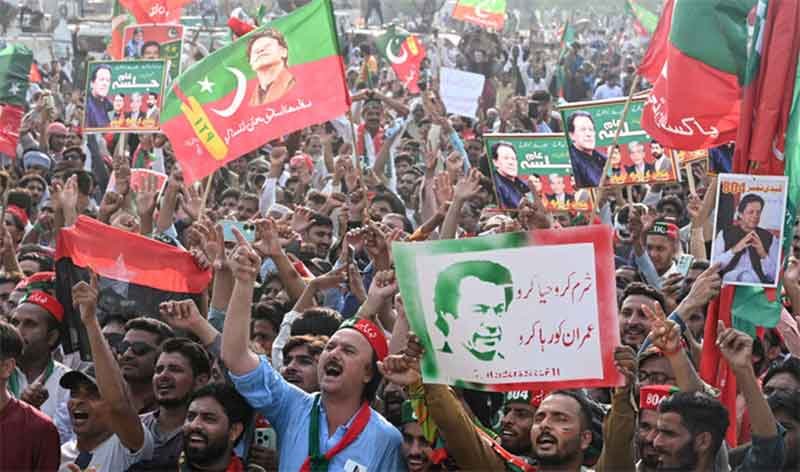
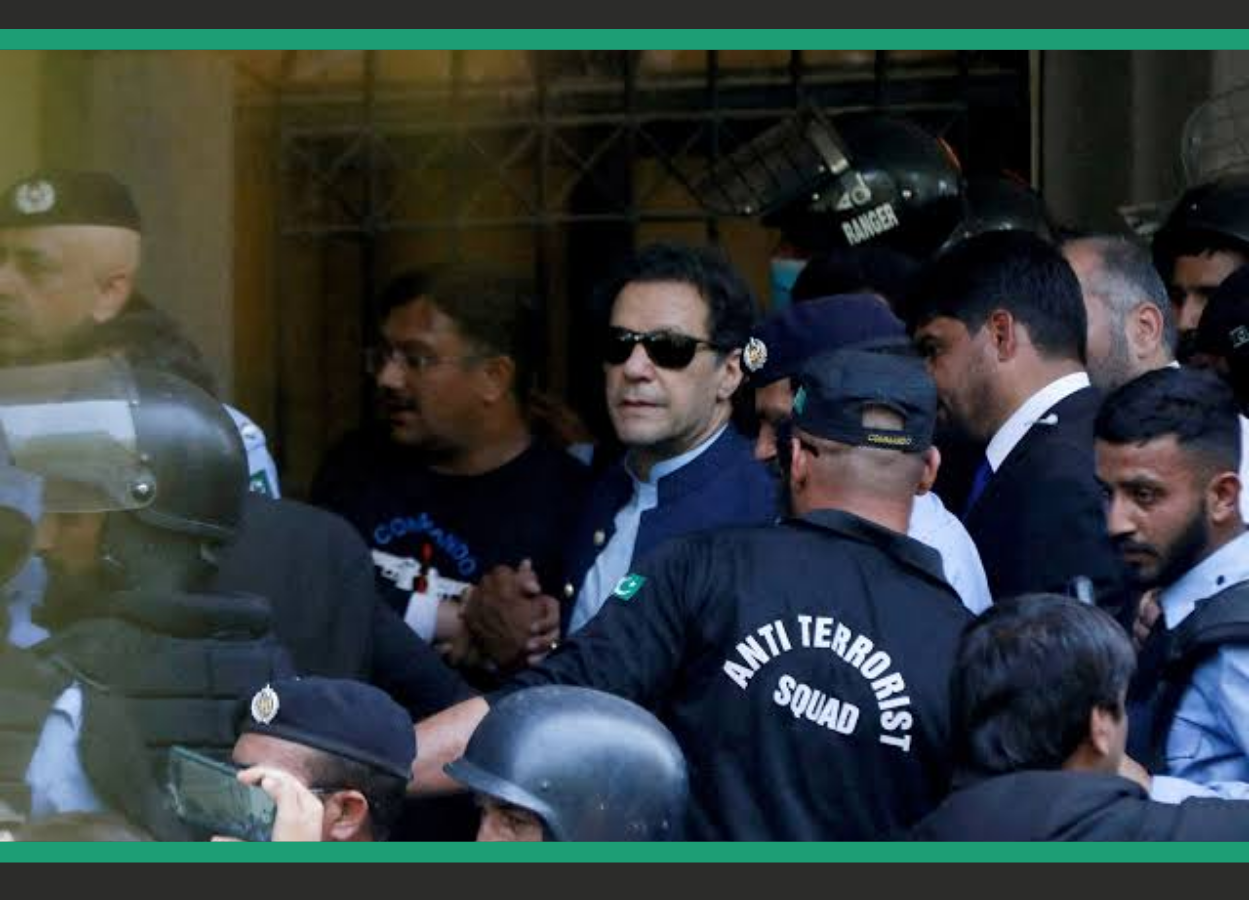
The country’s most popular political leader, former prime minister Imran Khan, remains imprisoned amid an extraordinary campaign of political exclusion. His movement has faced arrests, restrictions and institutional pressure. One need not accept every claim Khan makes, admire every decision he took in office or convert him into an infallible messiah to recognize the essential question: can the state brutalize, isolate and politically erase a national leader without religious parties treating the assault on his dignity as a moral emergency?
Jamaat’s answer has been expressed less through argument than through volume control.
This silence is especially jarring because Khan’s political vocabulary — however inconsistent its application — has repeatedly drawn upon Muslim history, social justice, resistance to Islamophobia, solidarity with Palestine and the moral sovereignty of the individual before God rather than temporal power. These are subjects Jamaat traditionally regards as its intellectual property. Yet when their language escaped the seminar room and became attached to a mass challenge against elite domination, the custodians of political Islam suddenly developed an impressive appreciation for nuance, caution and strategic ambiguity.
Apparently, Islam is revolutionary until revolution becomes administratively inconvenient.
The contrast with Azeem is unforgiving. He did not require the dictator confronting him to be secular, anti-religious or Westernized before recognizing dictatorship as wrong. Zia’s Islamic rhetoric did not purchase his obedience. Azeem grasped that the test of an Islamic movement is not whether it opposes rulers who insult religion, but whether it opposes rulers who instrumentalize religion while violating justice.
Jamaat’s present leadership may issue eloquent statements against corruption, feudalism, imperialism and systemic injustice. But an organization cannot credibly promise to transform the system while declining to confront the institution that has repeatedly stood above it. One cannot wage permanent rhetorical war against oppression in the abstract while maintaining diplomatic relations with its domestic headquarters.
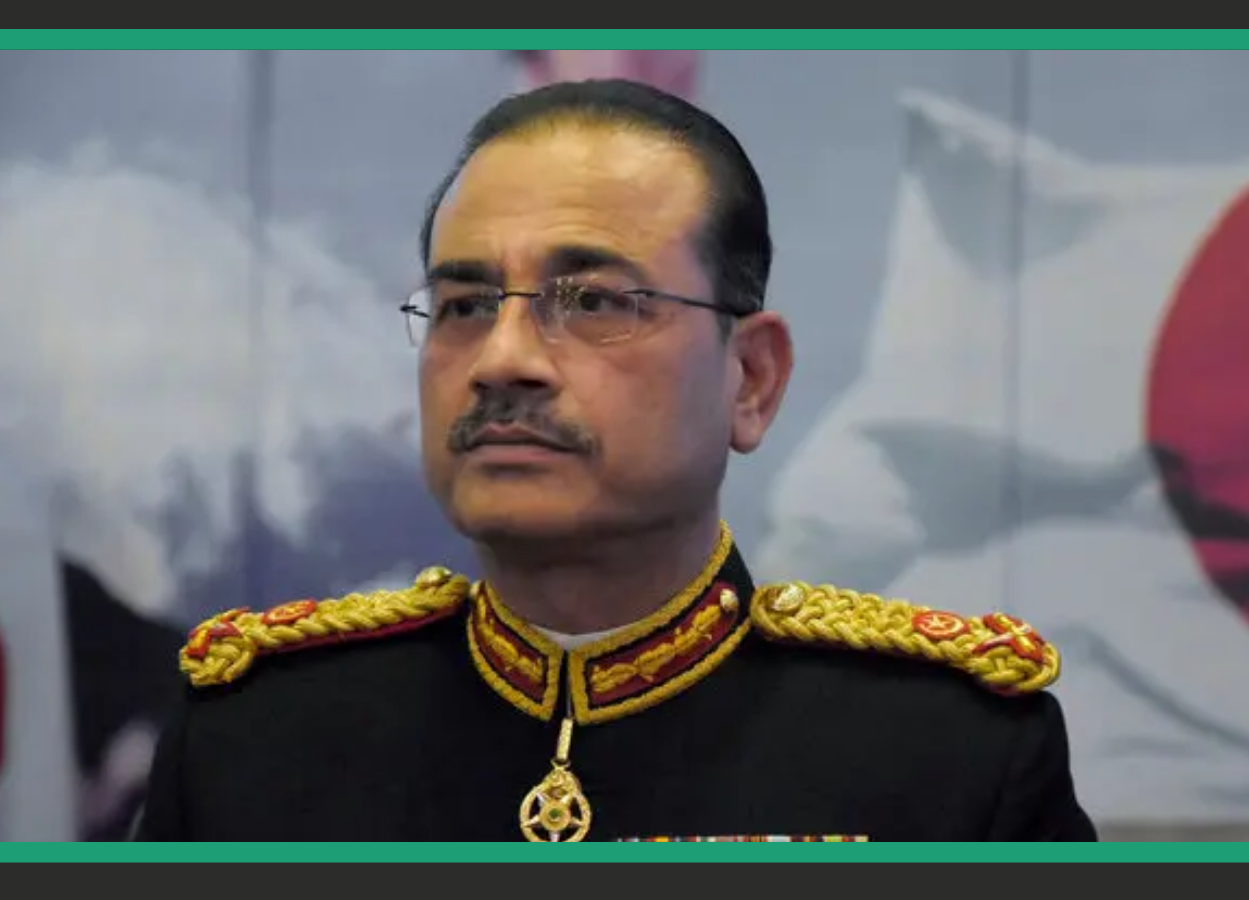
There is another historical silence worth contemplating. Maulana Maududi endured imprisonment while opposing Ayub Khan’s dictatorship. Pakistan subsequently experienced Yahya, Zia, Musharraf and now a heavily militarized political order under Field Marshal Asim Munir. Yet no later Jamaat emir has borne imprisonment for directly challenging military domination. Perhaps this is coincidence. Pakistan, after all, is a country where coincidences are frequently promoted to governing principles.
Ameerul Azeem’s legacy should not be embalmed in ceremonial praise. It should be allowed to accuse.
To honor him is to recover the proposition for which he surrendered years of freedom: that organized youth are indispensable, that dictatorship is not redeemed by religious vocabulary, and that an Islamic movement forfeits its moral purpose when it becomes more frightened of disorder than of injustice.
Jamaat-e-Islami can remember Ameerul Azeem as a loyal functionary whose photographs will adorn commemorative meetings. Or it can remember the political prisoner who refused to confuse the general’s sermon with the sovereignty of God.
The first requires a condolence resolution.
The second requires courage.





No Comments