The recent anti-imperialist conference in Lahore revived the spirit of Bandung and the 1974 OIC summit, confronting Zionism, Empire and global systems of domination in the shadow of Gaza.
By PROFESSOR JUNAID S. AHMAD
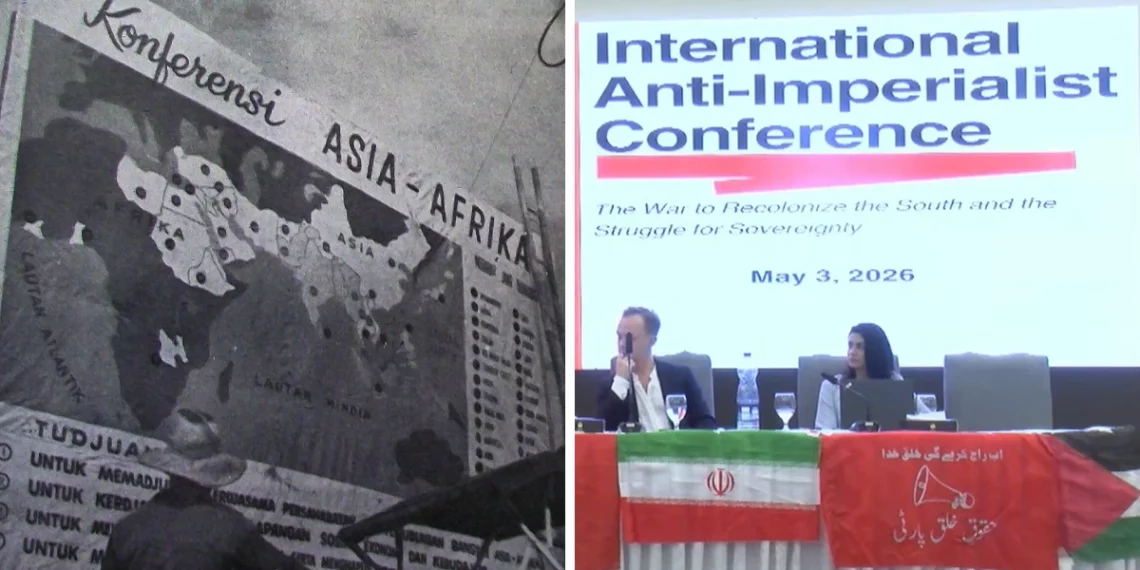
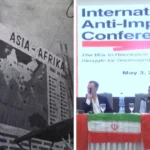
The anti-imperialist conference held in Lahore on May 3 by the Haqooq-e-Khalq Party (HKP) and the Progressive International will be remembered long after Pakistan’s respectable classes finish pretending it never mattered. That discomfort is precisely the point. History rarely announces itself politely. It arrives like an accusation.
What made this gathering historically consequential was not merely that it condemned Empire, Zionism, genocide, debt colonialism or authoritarianism. Thousands of conferences do that every year while serving overpriced coffee beneath NGO banners funded by the very architecture they claim to resist. What made Lahore different was that it named the system without euphemism and did so at the precise moment the US-Israeli axis is expanding its war machine against Iran while Gaza remains a slaughterhouse maintained in full view of the civilised world.
The conference understood something Pakistan’s managerial liberal class desperately wishes to avoid: Gaza is not an exception. Iran is not an exception. Lebanon was not an exception. Yemen is not an exception.
These are not isolated crises but theatres within a single imperial order sustained through military violence, financial coercion, comprador elites, surveillance regimes, and the global oligarchic parasite class – the Epstein world of financiers, weapons contractors, Gulf princelings, think-tank courtiers, Silicon Valley sociopaths, and media prostitutes who discuss human rights by day and monetise extermination by night.
The Lahore conference shattered the etiquette protecting this order. That is why so many Pakistan liberals and progressives stayed away.
These people can condemn apartheid in South Africa, Pinochet in Chile, and fascism in Europe with magnificent confidence because none of those regimes can revoke their grants, invitations or television appearances. But mention Rawalpindi, Washington, Tel Aviv or the comprador architecture linking them together, and suddenly nuance descends upon them like divine revelation. Their politics becomes an endless hostage negotiation with power.
Bandung in 1955 mattered because colonised peoples declared themselves subjects of history rather than inventory for Western management. Sukarno understood that anti-colonialism was civilisational rebellion against a world order organised around white imperial supremacy.
Bhutto grasped something similar during the 1974 OIC summit in Lahore, when Muslim states briefly imagined that oil wealth, geography and collective political will could challenge Western domination.
Empire responded exactly as it always does.
Washington understood that sovereignty itself is contagious. A Sukarno speaking of Third World solidarity is intolerable. A Bhutto speaking of Muslim autonomy becomes dangerous.
Empire rarely destroys such projects directly at first; it recruits local custodians – usually generals, oligarchs, monarchs or polished Atlanticist technocrats fluent in the language of ‘stability’. Indonesian generals crushed the Bandung spirit while preserving its ceremonial corpse. Pakistan’s military establishment performed similar surgery on Bhutto’s legacy: retain the patriotic vocabulary, evacuate the anti-imperial substance.
This is what made the Lahore conference extraordinary. Unlike Bandung or the OIC summit, this gathering emerged not from a confident postcolonial state but from within a quasi-dictatorship terrified of its own population.
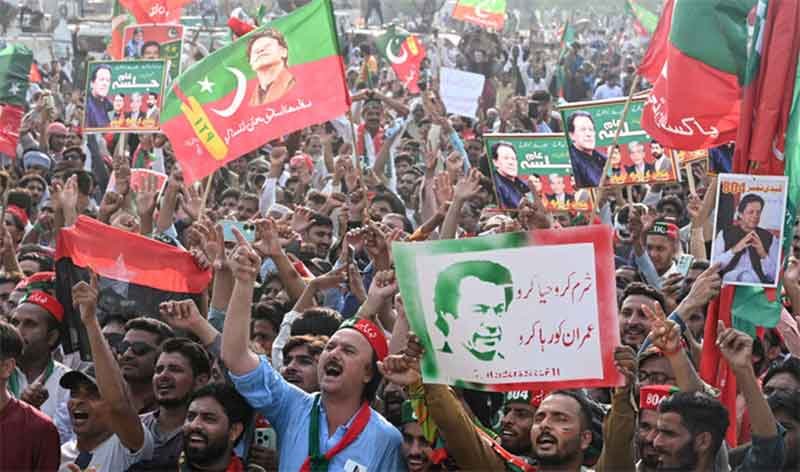
It occurred while Pakistan’s most popular political figure remains imprisoned, while thousands of political prisoners languish in cells, while media intimidation and surveillance have become instruments of ordinary governance, and while the regime’s field marshals perform loyalty rituals for Washington like provincial managers reporting to corporate headquarters.
And yet people came.
Not the chandelier dissidents who recite Faiz at literary festivals before returning home feeling ethically refreshed. Many of them vanished with remarkable speed. Apparently anti-imperialism becomes terribly inconvenient once it implicates the US-Israeli order and its local collaborators simultaneously.
What the conference achieved was clarity.
It clarified that the struggle against Zionism cannot be severed from the struggle against Empire; that solidarity with Iran is not optional sentimentality but strategic necessity; that Gaza and Pakistan exist within the same global architecture of domination; and that sovereignty without mass political awakening degenerates into empty nationalist theatre.
That seriousness was embodied in the participants themselves.
Pawel Wargan brought razor-sharp geopolitical analysis of global capitalism’s restructuring. Radhika Desai supplied towering political-economic rigour. Gabriel Rockhill exposed the philosophical fraudulence of liberal imperialism with devastating precision. Ali Kadri illuminated the structural violence of underdevelopment. Max Ajl brought uncompromising anti-colonial clarity. Farwa Sial dismantled the sanctimony of NGO liberalism and aid dependency. Helyeh Doutaghi embodied principled resistance to imperial criminalisation. Matteo Capasso illuminated the relationship between Palestine, coloniality and capitalism. Fadiah Nadwa articulated Palestinian resistance with extraordinary moral lucidity. Jorge Rocha offered grounded internationalist analysis. Bikrum Gill sharpened the critique of extraction and imperial political economy. Taimur Rahman fused intellectual seriousness with organisational discipline. And Ammar Ali Jan recognised what Pakistan’s salon progressives still cannot admit: anti-imperial politics without democratic struggle becomes abstraction, while democratic struggle without anti-imperial politics becomes theatre.
Then there is Imran Khan – imprisoned, politically unfinished, ideologically evolving.
Perhaps prison, Fanon, Ali Shariati, and Vijay Prashad are forcing conceptual clarity upon him. Perhaps history itself is educating him in the grammar of sovereignty.
Either way, the symbolism matters.
Bandung announced the arrival of the colonised world. Lahore in 1974 dramatised Muslim geopolitical ambition.
This Lahore conference performed a harsher task suited to a darker age: it recognised that Empire now survives not only through occupation and war, but through networks of collaborators, oligarchs, generals, financiers, Zionist managers, and liberal intermediaries who administer submission while speaking the language of moderation and ‘rules-based order’.
History will remember that realisation long after today’s respectable cowards finish congratulating themselves for their silence.
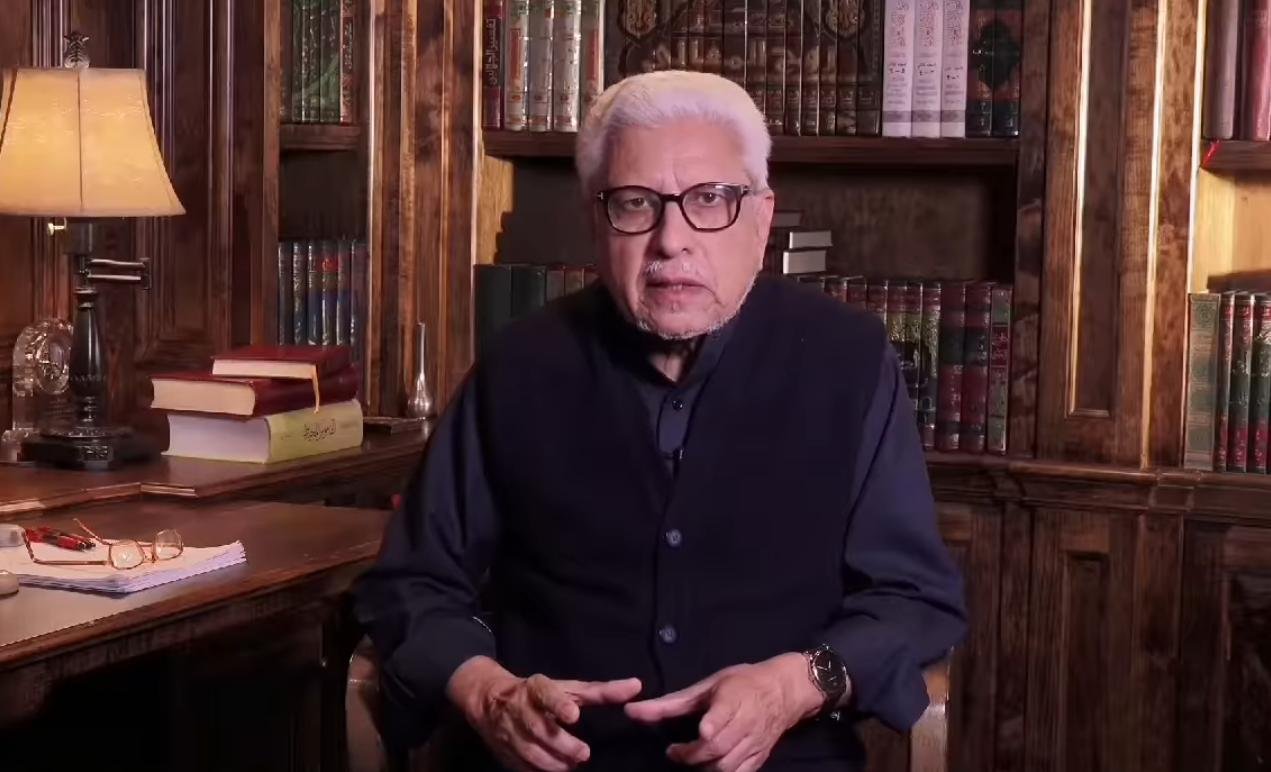
Prof. Junaid S. Ahmad teaches Law, Religion, and Global Politics and is the Director of the Center for the Study of Islam and Decolonization (CSID), Islamabad, Pakistan. He is a member of the International Movement for a Just World (JUST – https://just-international.org/), Movement for Liberation from Nakba (MLN – https://nakbaliberation.com/), and Saving Humanity and Planet Earth (SHAPE – https://www.theshapeproject.com/).



No Comments