Sometimes the most religious act in the room is performed by an atheist.
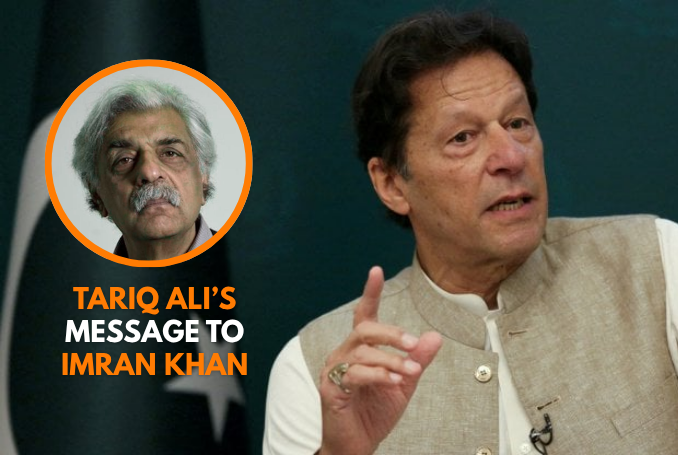
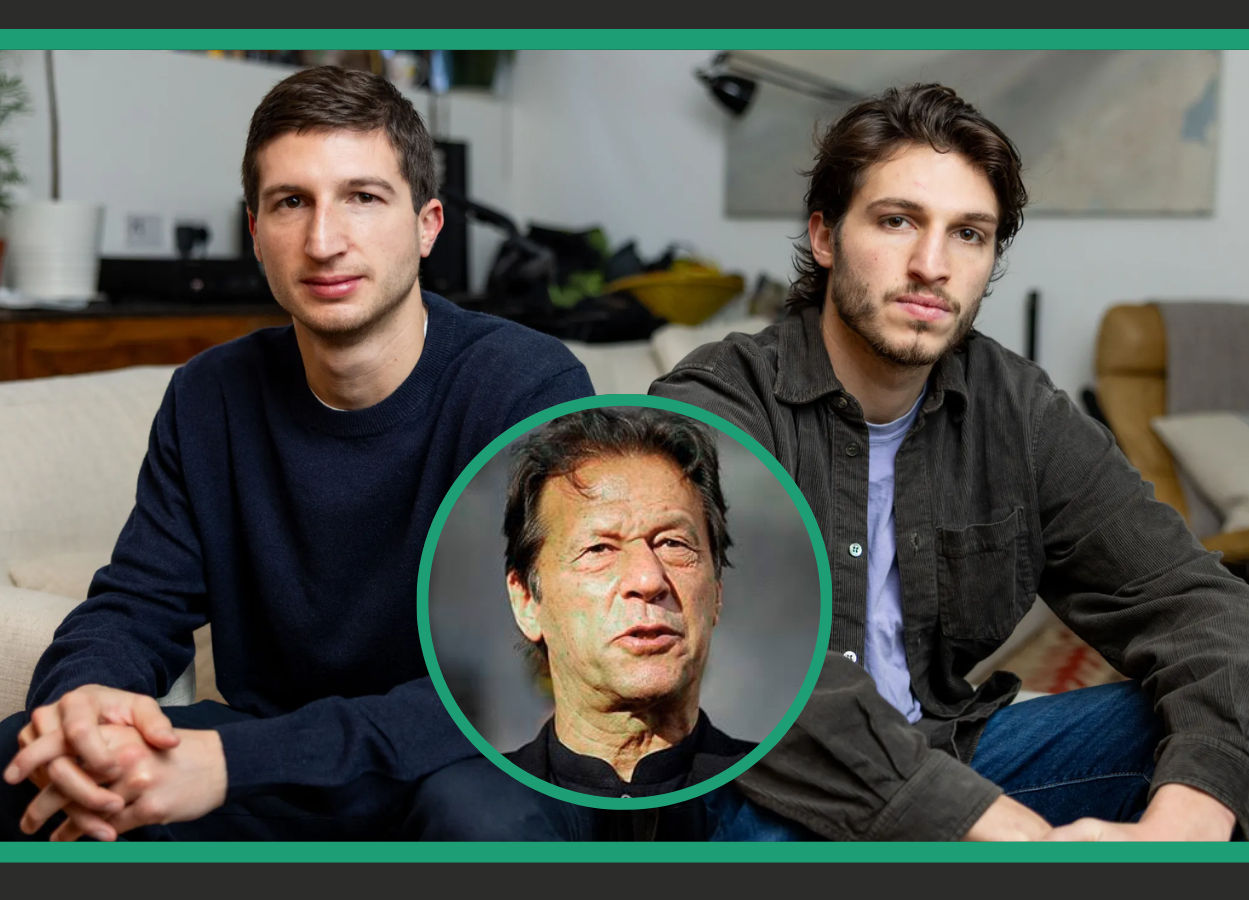
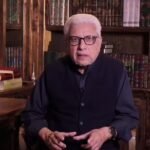
Tariq Ali’s message to Imran Khan was brief, almost brutally spare: stay strong, stay tough; many are defending you and demanding your freedom. (https://www.facebook.com/share/r/1CwxxELnpz/?mibextid=wwXIfr
https://x.com/ptiofficial/status/2076527027738263678?s=46)
No sermon, no fatwa, no pious throat-clearing, no permission slip from Rawalpindi. Yet those few words accomplished what Pakistan’s sermons, symposiums, televised homilies and luxuriously upholstered consciences have largely failed to do: they named the prisoner, acknowledged the injustice and stood with the persecuted.
This should not be remarkable. That it is remarkable is the indictment.
Tariq Ali is a Marxist, secularist, atheist and lifelong critic of religion’s intimacy with political power. Imran Khan, by contrast, has increasingly articulated his politics through an Islamic moral vocabulary: justice as obligation, sovereignty as freedom from servitude, welfare as compassion made institutional, and resistance to domination as a duty before God. Their metaphysical worlds are sharply different. Yet when Khan required solidarity, the atheist recognized the moral substance beneath the theological distance, while many professional custodians of Islam discovered the devotional pleasures of looking away.
Apparently, speaking truth to power remains compulsory only when power is safely foreign, preferably Western, and ideally unable to cancel a television appearance.
For decades, an influential class of Muslim intellectuals has built careers explaining Islamophobia, empire, colonial violence and the hypocrisies of secular liberalism. Much of that work was necessary; some of it was brilliant. But theory eventually collides with the vulgar inconvenience of a real political prisoner. At that moment, the footnote must acquire a spine, the conference paper must develop a pulse, and the critic must decide whether justice is a principle or merely a professional specialization.
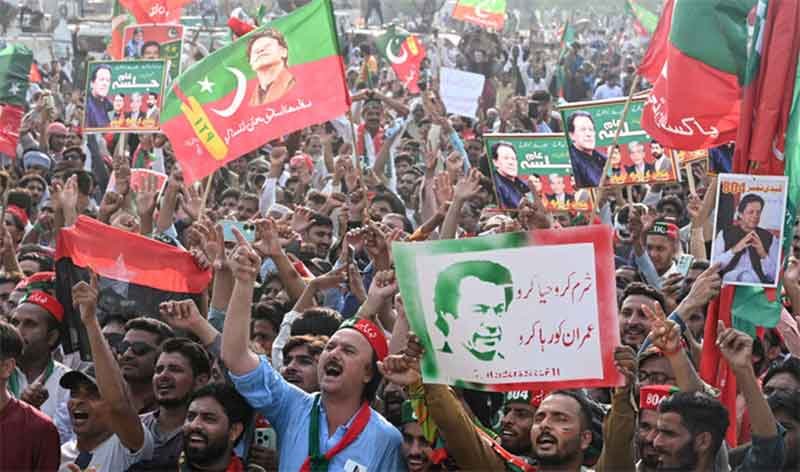
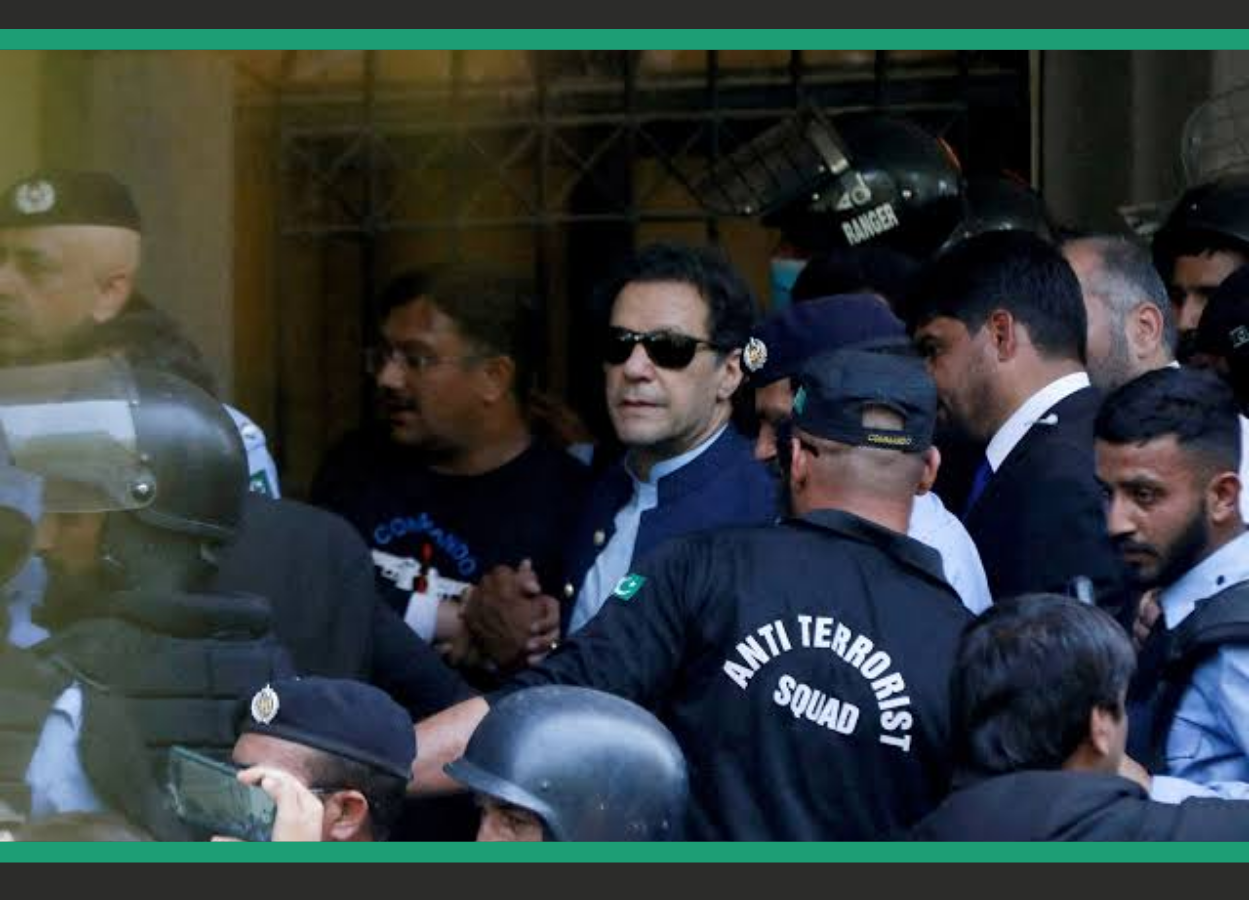
Imran Khan has been imprisoned since August 2023. Convictions have been imposed, suspended or overturned, only to be replaced by new cases, new charges and new sentences. His party has faced arrests, prosecutions, restrictions and the systematic suffocation of political space. A United Nations working group concluded that his detention was arbitrary and situated it within a broader campaign of repression.
One need not canonize Khan, excuse his errors or confuse political support with devotional obedience. What is required is something far simpler: the capacity to recognize a machine when it is operating in full view. The question is not whether Imran Khan is flawless. The question is whether a state may bury a political leader beneath an assembly line of prosecutions and call the resulting disappearance justice.
It may not.
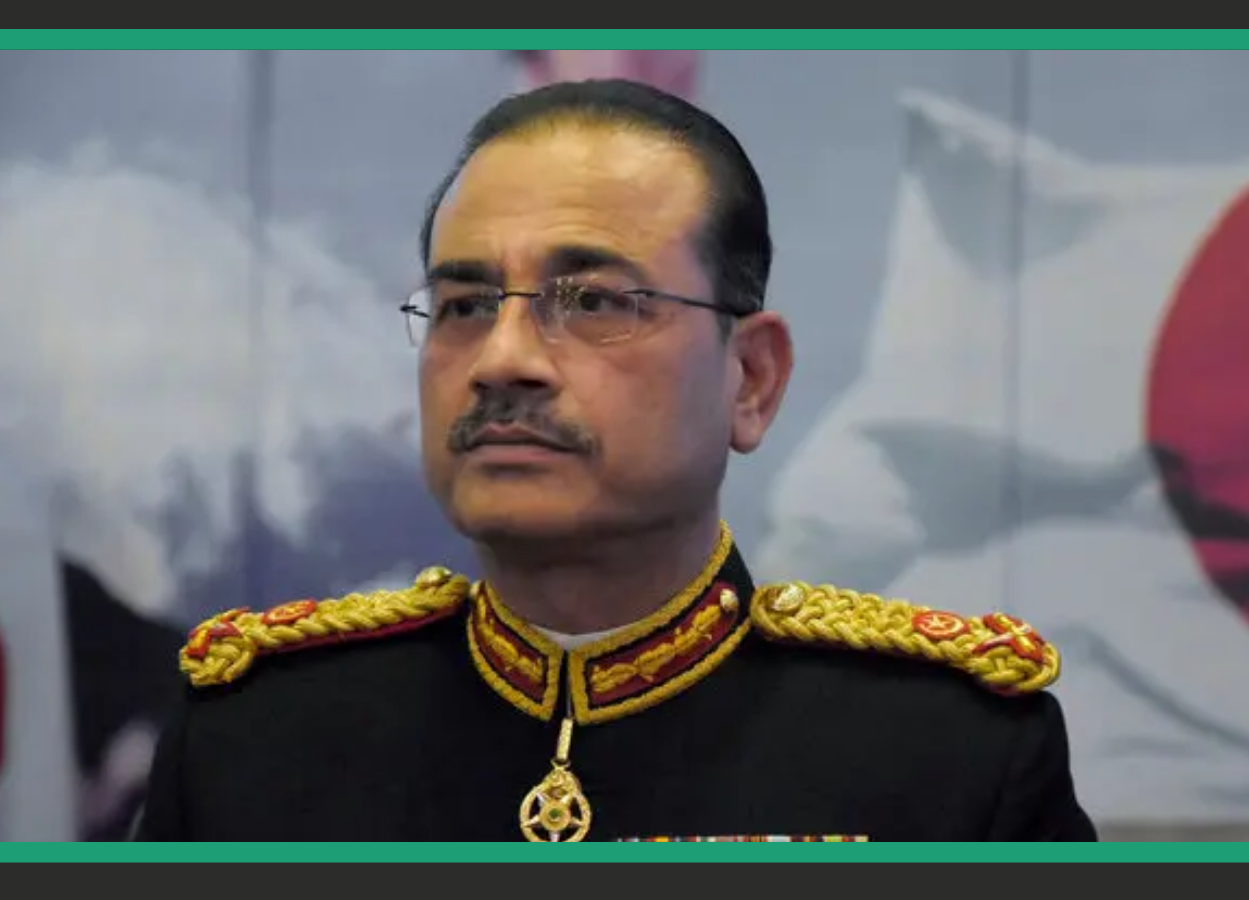
Yet scholars who can detect authoritarianism in a Parisian dress code become mysteriously blind when it arrives in khaki, travels in a convoy and speaks the language of national security. Their eyesight fails at the cantonment gate.
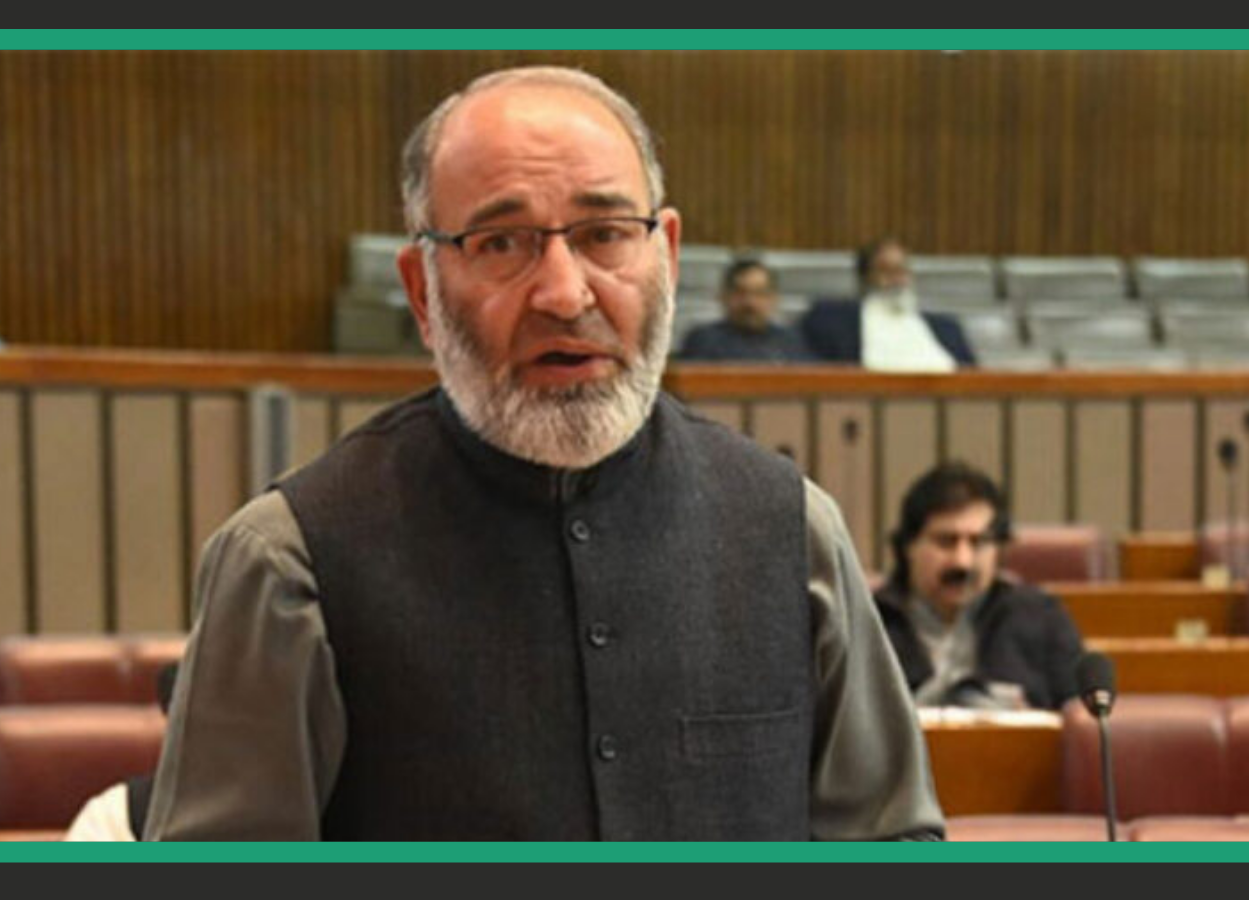
More damning still is the silence of the ulama and political Islamists who have spent generations preaching that the believer bows before none but God. Faced with a popular leader whose political imagination is openly Muslim-inflected, they have revealed that “fear none but God” contains an unpublished institutional footnote: except generals, intelligence officers, benefactors, television owners, property developers and anyone capable of freezing an account, cancelling a program or arranging a midnight knock.
This is not merely hypocrisy. Hypocrisy sounds accidental, almost innocent. What we are witnessing is a theology of collaboration: religion trained to sanctify obedience, criminalize resistance and perfume cowardice with the scent of prudence. It preaches patience to the victim and discretion to the executioner. It invokes social order when injustice becomes unbearable and discovers the sanctity of institutions whenever citizens ask who authorized the country’s permanent guardians to become its permanent rulers.
It calls submission wisdom, fear responsibility and silence unity. Whenever the nation asks who rules it, this theology mutters something about disorder and glances nervously toward headquarters.
Against it stands a theology of resistance — not necessarily a formal doctrine, but an ethical refusal to kneel before organized coercion. It begins from a simple proposition: solidarity with the persecuted precedes agreement with them. Tariq Ali did not need to share Khan’s beliefs, endorse his politics or absolve his mistakes. He needed only enough moral intelligence to distinguish the prisoner from the jailer.
Courage is measured by the power one confronts, not the applause one collects.
That is why Ali’s intervention is so humiliating for Pakistan’s clerical class. The atheist has exposed the moral bankruptcy of men whose authority rests upon their advertised access to eternal truth. He has shown that disbelief in God does not prevent fidelity to justice, while loudly marketed belief provides no immunity from servility.
The irony is almost scriptural: the secular radical speaks for the captive while the clerics negotiate seating arrangements with Pharaoh.
Young Muslims are entitled to draw severe conclusions. They have been told that secular politics is morally hollow, that religious scholars preserve prophetic courage and that Islamic political thought uniquely equips believers to resist tyranny. But where are these lions of the pulpit when the prison gates close? Where are the inheritors of the prophets when the intelligence services telephone? Where are the theologians of resistance when resistance carries a price?
When Mohamed Morsi was overthrown and imprisoned, many religious establishments accommodated the new order, blessed its vocabulary or retreated into tactical ambiguity. When Imran Khan was removed, prosecuted and jailed, many of the same voices vanished or began reciting the catechism of “stability.”
Stability: the word every authoritarian order uses when asking the oppressed to admire the architecture of their cage.
Resistance, it seems, is magnificent in books, electrifying at conferences and terribly inconvenient near checkpoints.
Tariq Ali’s message does not prove that atheism is morally superior to faith. It proves something more devastating: moral courage cannot be inherited through labels, purchased with robes and turbans, or claimed through institutional affiliation. Faith that kneels before coercive power is not redeemed by the vocabulary of God. Secularism that stands beside the persecuted is not disqualified by its metaphysics.
The decisive division is no longer between believer and unbeliever. It is between those who stand beside the prisoner and those who write excuses for the jailer; between those who risk speech and those who ritualize silence; between those who recognize injustice and those who wait for permission to condemn it.
And in Pakistan today, the atheist has spoken with something resembling faith, while too many men of faith have perfected the politics of disbelief.




No Comments