Authoritarian regimes spend years manufacturing grandeur. Sometimes eighteen minutes of television and an old cricketer’s tears are enough to make the plaster fall off.
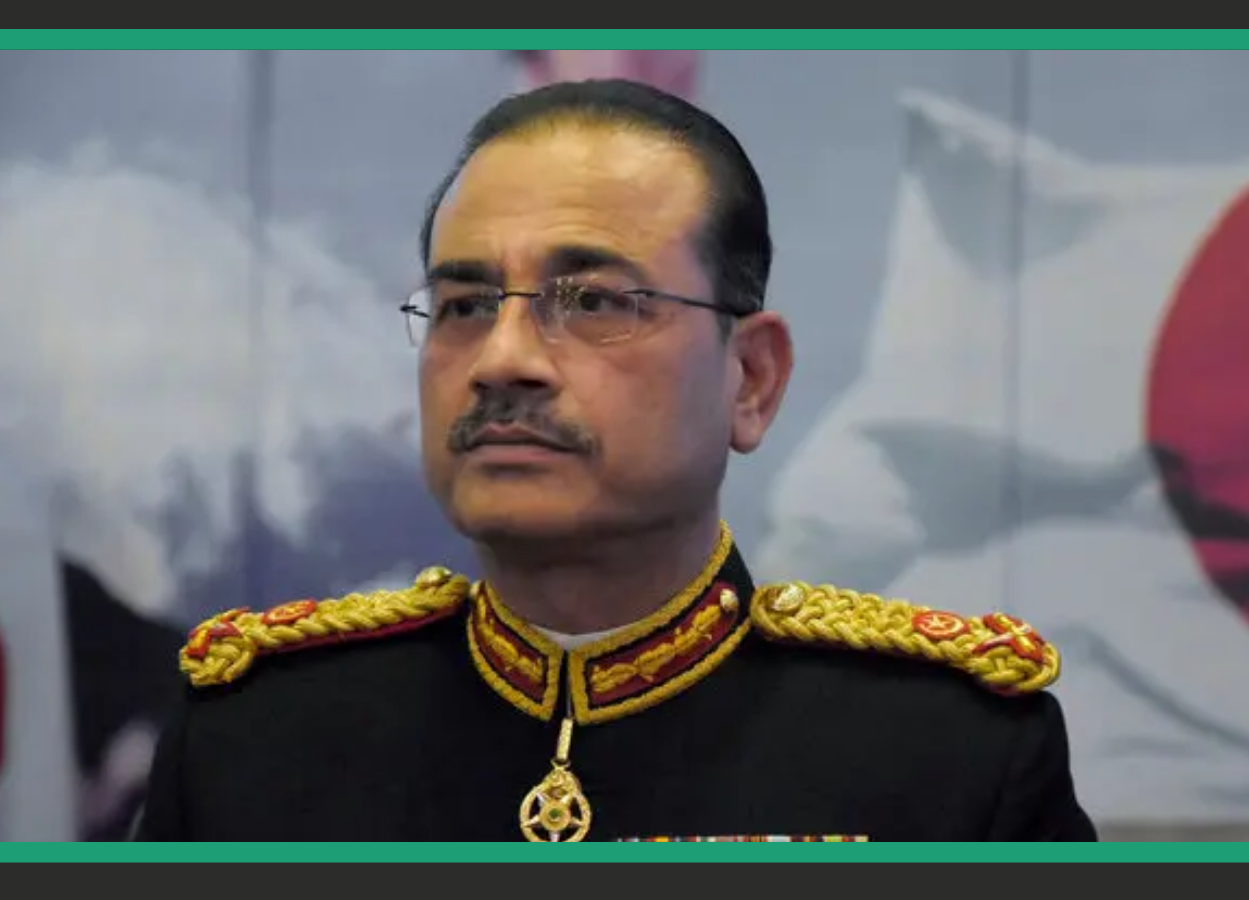
For much of 2026, Field Marshal Asim Munir has been presented abroad as Pakistan’s indispensable man: regional fixer, strategic interlocutor, diplomatic broker, Trump’s favored field marshal, the stern soldier supposedly capable of whispering sense into hostile capitals. The medals gleamed. The handshakes multiplied. The choreography was immaculate.
Then came Lord’s.
And in barely two days, the image of Munir the global peacemaker collided with something far uglier: the image of a system so brittle that an interview with Imran Khan’s two sons appeared to trigger panic all the way into the Pakistan Cricket Board.
That contradiction is not merely embarrassing.
It is politically lethal.
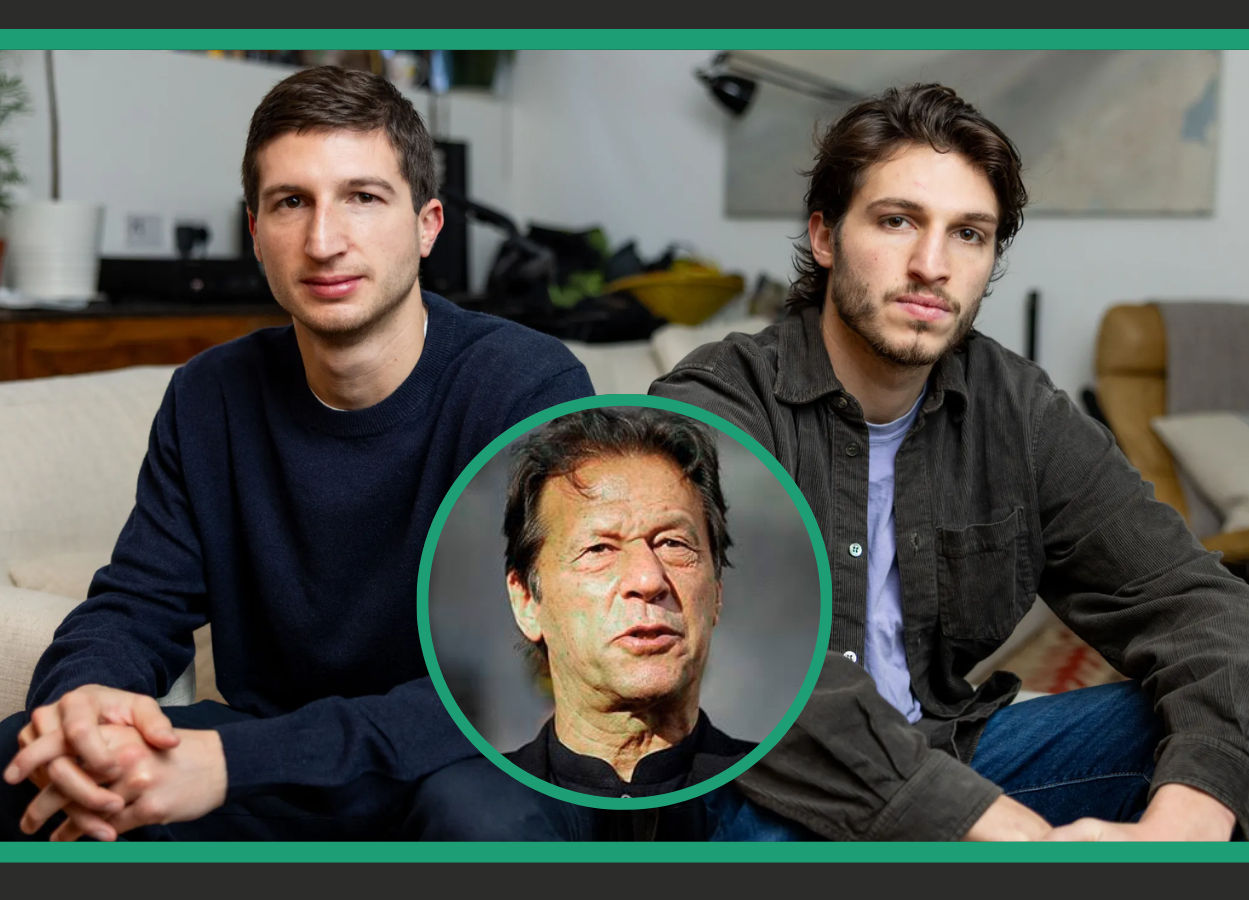
Pakistan is a nuclear-armed state with one of the world’s largest armies, powerful intelligence services, a vast coercive apparatus and a political system in which the military establishment wields enormous influence. Yet an eighteen-minute conversation between Michael Atherton and Kasim and Sulaiman Khan somehow became sufficiently alarming for the PCB to complain to Sky Sports and, according to reports, contemplate the extraordinary spectacle of Pakistan’s team refusing to return to the field.
Imagine the scene.
Lord’s, cathedral of cricket.
Michael Atherton, hardly Che Guevara with a microphone.
Two sons asking why their imprisoned father cannot receive independently verifiable medical care.
And charging heroically into this revolutionary inferno: the Pakistan Cricket Board.
Satire struggles when reality is already doing the work.
The real damage was not simply what Khan’s sons alleged about his isolation, eyesight, family access and medical treatment. Pakistan’s authorities dispute accusations of deliberate mistreatment. The more revealing fact was the reaction.
A confident government confronted with such allegations does something brutally simple: it opens the doors.
Allow the independent doctors.
Publish credible findings.
Restore lawful access.
Smother accusation beneath evidence.
An insecure system reaches for the censor.
That is why the PCB intervention was vastly more damaging than the interview itself. Nothing advertises weakness quite like attempted suppression. The moment a state appears desperate to prevent an audience hearing something, it tells the audience — far more effectively than any opposition campaign could — that the thing being said matters.
Rawalpindi’s attempt to suppress the story only ensured that more people wanted to hear it.
For years, Pakistan’s establishment operated inside an information ecosystem it understood. Television stations could be leaned upon. Anchors learned which names were hazardous. Editors recognized invisible red lines.
Lord’s has no such red lines.
Atherton does not need Rawalpindi’s permission to ask a question. Sky Sports is not a Pakistani television channel. Foreign cricketers do not require the PCB’s approval before acquiring a conscience.
And once the story leaves Pakistan, the machinery of domestic intimidation suddenly looks provincial.
That is precisely why the international cricketing response matters. Former captains from across the cricketing world have raised concerns about Khan’s treatment and medical access. Their intervention is powerful not because they are experts on Pakistan’s constitutional crisis.
It is powerful because they are not.
They reduce a complicated political struggle to a devastatingly simple moral question: should a seventy-something former prime minister and World Cup-winning captain receive transparent, independent medical care while imprisoned?
That is not an argument a government should be capable of losing.
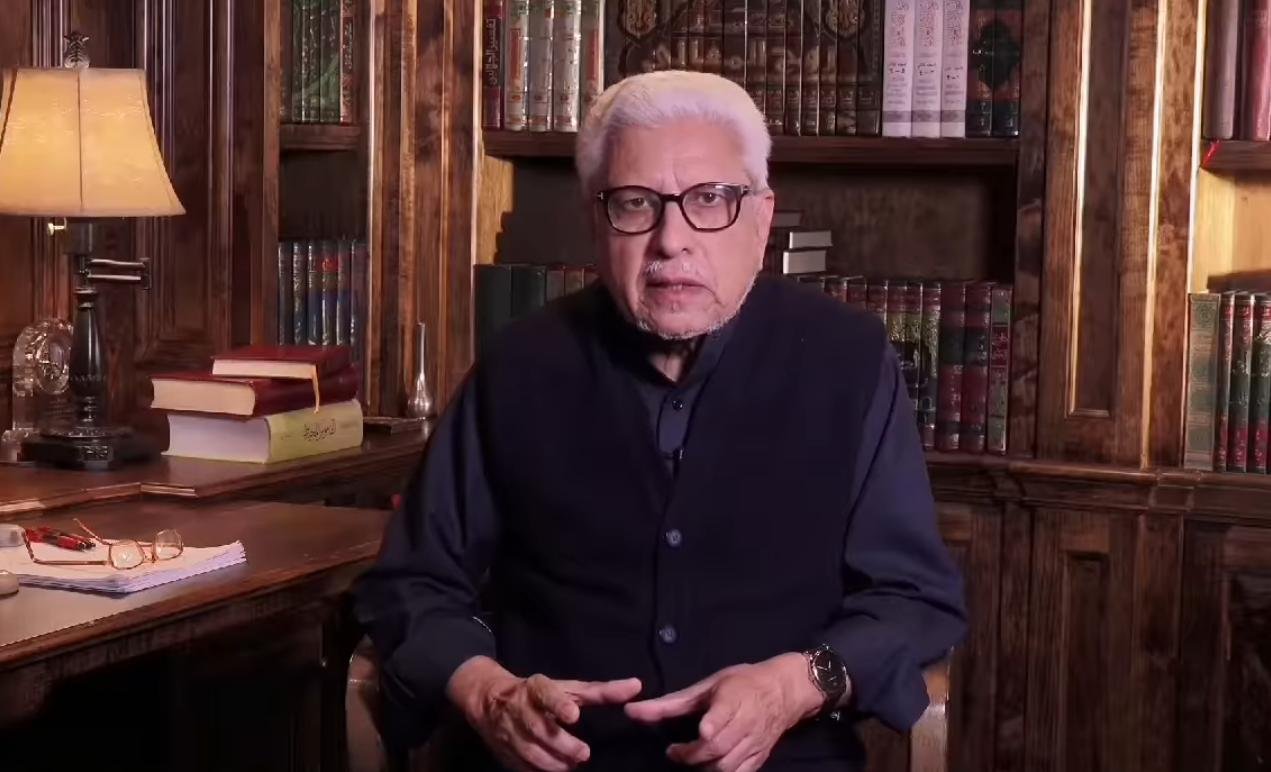
Then came Javed Miandad.
If Lord’s internationalized the story, Miandad detonated it inside Pakistan’s own cricketing mythology.
His intervention matters because the silence of Pakistan’s cricketing establishment had become almost grotesque. Foreign captains spoke. International organizations spoke. Khan’s sons spoke. Pakistani cricket legends, many of whom built careers in the world Imran Khan helped create, largely developed a sudden and touching devotion to silence.
Miandad broke it.
He said he knew Imran Khan.
He said he believed him honest.
He asked why he was being kept imprisoned.
And then the old street fighter — one of the fiercest competitors Pakistan has ever produced — became emotional speaking about his captain.
That was more dangerous than a thousand political speeches.
Authoritarian systems understand manifestos, rallies and slogans. They know how to demonize parties, arrest organizers and criminalize dissent.
Memory is harder to police.
Friendship is harder to prosecute.
Miandad did not present a political program. He presented human testimony. He transformed “the prisoner” back into Imran Khan: teammate, friend, captain, father.
The abstraction collapsed.
The cell became visible.
And this is where Munir’s carefully cultivated international persona begins to unravel.
A man cannot indefinitely sell himself abroad as the serene mediator of wars while presiding over a political order that appears unable to tolerate two sons discussing their father without a cricket board entering the censorship business.
The contrast is exquisite.
Washington and Tehran?
Deploy the distinguished field marshal.
Two sons at Lord’s?
Deploy the PCB.
This is how authoritarian images crack. Not because foreign audiences suddenly master the intricacies of Pakistan’s politics, but because hypocrisy eventually becomes too visually obvious to require explanation.
The deeper problem is structural. The more power a ruler accumulates, the more responsibility follows him.
If Munir is merely a soldier, then the grand international billing is fraudulent.
If he is genuinely the decisive figure in Pakistan, then the condition of the political system becomes his burden too.
Omnipotence is an expensive brand.
Eventually every failure arrives at your door.
That is why these two days matter more than their apparent scale suggests.
No barracks mutinied.
No government fell.
No revolution began.
Something more subtle happened.
The monopoly over narrative cracked.
Khan’s sons spoke from Lord’s. The PCB’s intervention magnified them. Miandad then supplied something more dangerous still: permission for others inside Pakistan’s cricketing establishment to rediscover their voices.
And now an awkward question hangs over them all.
If Javed Miandad can say Imran Khan’s name, why can’t you?
They do not need to join PTI. They do not need to pronounce on Khan’s cases.
But history will remember who regarded independent medical care, family access and basic humanity as subjects too dangerous to mention.
Silence, after all, is also political speech.
It is simply the coward’s dialect.
Munir still has the medals, motorcades and foreign audiences.
But Lord’s exposed the limit of manufactured grandeur.
A ruler can command television studios.
He can intimidate bureaucracies.
He can cultivate presidents.
What he cannot easily control is the moment when fear becomes visible.
And there is something devastatingly revealing about a field marshal advertised as a global peacemaker presiding over a system apparently rattled by two sons, one interviewer and an old batsman refusing to forget his captain.
Sometimes regimes fear armies.
Sometimes they fear revolutions.
And sometimes, most humiliatingly of all, they fear a microphone.








No Comments